SUCCESS STORIES

Change is measured
in people’s lives.

Selected impact stories drawn from BRED’s documented programmes and outcomes. Stories, photos and videos can be added and updated from the administration panel.

BRED
PEOPLE • PARTNERSHIP • PROGRESS
STORIES FROM THE FIELD

Evidence of change

These are programme-based stories rather than invented personal testimonies; each reflects an outcome or experience documented by BRED.

Zahura Khatun’s Journey from Nutritional Struggles to Sustainable Solutions (Nutrition Garden)01

Zahura Khatun’s Journey from Nutritional Struggles to Sustainable Solutions (Nutrition Garden)

⌖

Zahura Khatun is a 28-year-old housewife living in Household No. 102 in the Pechakola community, Pabna. She lives with her extended family of ten members, including her husband, two children (among them a 1.5-year-old baby boy and a 9-year-old school-going daughter), her 63-year-old father-in-law, 50-year-old mother-in-law, sister-in-law, brother-in-law and their 2 children

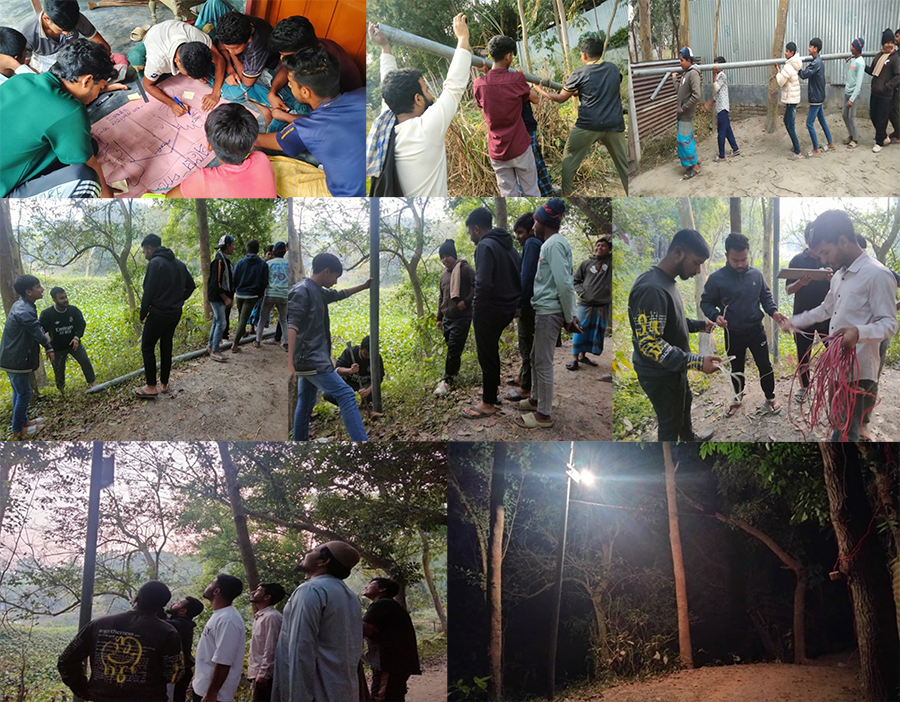
A Journey Toward Sustainable Youth-led Road Transformation in Pechakola02

A Journey Toward Sustainable Youth-led Road Transformation in Pechakola

⌖

Near the Eidgah field and the road leading to Agran School lies a road that is far more than just a path for the villagers. Hidden within it is a story of unity, resilience, and transformation—driven by the youngest members of the community.

A Youth-Led River Safety Initiative in Pechakola03

A Youth-Led River Safety Initiative in Pechakola

⌖

Our Pechakola community, located on the banks of the Jamuna River in Bera Upazila, Pabna, has long experienced both the river’s blessings and dangers. While it provides livelihoods, the Jamuna also brings floods, erosion, and tragedies. Every monsoon, homes are submerged, and unpredictable rains due to climate change have made life even more uncertain.

Cleaning Together, Leading Together: A SALT Story from Nakalia Union, Pabna04

Cleaning Together, Leading Together: A SALT Story from Nakalia Union, Pabna

⌖

Nakalia Union is a semi-rural area under Pabna district in Bangladesh. With a population made up of farmers, small shopkeepers, students, and homemakers, the union is rich in culture, tradition, and human potential. It has a busy local market—Nakalia Bazar—which serves as a hub for daily trade and social interaction. However, like many such areas, it faces some chronic challenges like waste mismanagement in public spaces, limited civic awareness about sanitation, a mindset of dependence on external actors (government, NGOs) for solving local problems etc.

How the Youth of Pechakola Community Transformed a Road05

How the Youth of Pechakola Community Transformed a Road

⌖

The Pechakola community, located beside the Jamuna River, had been facing a serious social problem for a long time. Especially after sunset, the only road in the community became dangerous and unsafe. Because of the darkness, incidents of theft and robbery occurred, and children, adolescents, women, and elderly people lived in constant fear. Many people avoided going outside in the evening unless it was absolutely necessary. Once, an incident happened that almost led to the loss of a life, which deeply shook the entire community. Even after that, no one took initiative to solve the problem for a long time

From Dream to Action: A New Chapter of Health Awareness Begins in Pechakola Through Youth Leadership06

From Dream to Action: A New Chapter of Health Awareness Begins in Pechakola Through Youth Leadership

⌖

There was a time in Pechakola when talking about health made people pause. Fear, hesitation, and uncertainty were common. “What if a serious problem is found during a check-up?”—this question kept many people silent. But when a dream is born in the hearts of young people, and they find the courage to turn that dream into action, the story of an entire community begins to change—its emotions, perceptions, and mindset.

Initiatives to Remove Iron from Water: A journey towards Clean Water07

Initiatives to Remove Iron from Water: A journey towards Clean Water

⌖

In the remote village of Pechakola, under Nakalia Union in Bera Upazila, Pabna, safe drinking water had long been a hidden crisis. The community, mostly unaware of the dangers of high iron content in their water, regularly consumed it from local tubewells. The result? Recurring health problems—itching, skin rashes, diarrhea, dysentery, and persistent stomach issues. For years, these waterborne illnesses were accepted as an unavoidable part of life.

Monika’s Journey of Transforming Education in Pechakola Community08

Monika’s Journey of Transforming Education in Pechakola Community

⌖

Before the SALT process began in the Pechakola community, Monika Khatun’s thoughts were quite limited. She used to feel that she might not be able to do anything meaningful on her own. Like many others, she saw social problems such as lack of education and poverty as challenges that were beyond her control. She never imagined that she could take any initiative to change this situation.

Stimulate Football Match from Rivalry to Unity09

Stimulate Football Match from Rivalry to Unity

⌖

In the Eidmaath Para and Sarkar Para of Pechakola community, there was previously a competitive relationship among the youth. They used to see each other as rivals and spent most of their time on mobile phones. Their interest in studies, sports, or positive initiatives was low. Gradually, the influence of traditional masculinity developed among them, where showing strength, defeating others, and hiding emotions were seen as masculinity.

Tanvir’s Journey: Understanding True Masculinity10

Tanvir’s Journey: Understanding True Masculinity

⌖

Tanmoy is a young man who grew up within the traditional beliefs of society from childhood. In his family and surrounding environment, household work was seen as the responsibility of girls and outside work was seen as the responsibility of boys. These ideas also influenced his way of thinking.

Change Within Myself  Through SALT Masculinity Sessions & Facilitation11

Change Within Myself Through SALT Masculinity Sessions & Facilitation

⌖

I am Bayazid Bostami, working for a long time with communities as a SALT facilitator. While listening to the life stories, experiences, and transformation stories of different people, at one point I realized that the need for change exists not only in the community, but also within myself. SALT discussions on Masculinity brought important changes in my way of thinking, behavior, and perspective toward relationships.

Jobaer Hossain – Changing Perspective towards Masculinity12

Jobaer Hossain – Changing Perspective towards Masculinity

⌖

Jobayer Hossain is a 22-year-old young man who grew up in Pechakola community. He grew up in an ordinary family consisting of his parents and siblings. In the family, he grew up with his elder sister and younger brother. From childhood, he grew up within the common beliefs of family and society, where men’s responsibilities were connected only with outside work and women’s responsibilities were connected with household work.

Is work for boys and girls? A simple question, a profound realization13

Is work for boys and girls? A simple question, a profound realization

⌖

Tanmoy is a young man who grew up within the traditional beliefs of society from childhood. In his family and surrounding environment, household work was seen as the responsibility of girls and outside work was seen as the responsibility of boys. These ideas also influenced his way of thinking.

Respect for Women is True Masculinity14

Respect for Women is True Masculinity

⌖

Md. Basar from Pechakola community is a small businessman and shopkeeper. He lives in this community with his family. His family consists of his wife and two children. Every day he remains busy with his shop work and fulfills the responsibility of maintaining the family. From childhood, he grew up within the common social beliefs, where men’s responsibilities were considered limited only to earning money.

Shaping Young Minds: Rizvi Sir’s Lessons on Healthy Masculinity15

Shaping Young Minds: Rizvi Sir’s Lessons on Healthy Masculinity

⌖

Rizvi Sir, a teacher of Pochakola community’s Aroggoi Bidyaniketon School, is a very caring, responsible, and sincere person toward his students. He was born and raised in this same community. From childhood, he grew up in a simple family environment where family values, discipline, and social norms were deeply present